
Guides
All 28 guides
India CAROTAR Form I: how to fill out each field and the scope of cost information to provide

Form I is an origin information form that an Indian importer must hold when claiming the preferential rate under the Korea-India CEPA, and submit within 10 working days if customs asks. Most fields are filled with the Korean exporter's information, but there is no field for raw material unit prices or cost breakdowns.
- 1Exporter information needed to fill out CAROTAR Form I
- 2The 2025 amendment and the structure of Form I
- 3Section II: fields the importer fills in
- 4Section III, Part A: production process and origin criterion
- 5Section III, Part B: originating materials and the criteria applied
- 6Scope of information the exporter hands to the buyer
- Legal basis
- Act on Special Cases of the Customs Act for the Implementation of Free Trade Agreements
- Last updated
Exporting under the Korea-India CEPA: criteria for determining origins and when to obtain the certificate of origin

For an Indian importer to receive the Korea-India CEPA preferential tariff rate, the goods must meet the criteria for determining origins (the general rule is a change in HS 6-digit classification and a regional value content of at least 35%), and the certificate of origin, issued by customs or a chamber of commerce at the time of export or within 7 working days of the shipment date, must be presented when the import is declared in India.
- 1Requirements for the Korea-India CEPA preferential tariff rate
- 2Criteria for determining origins
- 3Issuing authorities and when to obtain the certificate of origin
- 4Direct transport
- 5Verification by Indian customs and record keeping
- Legal basis
- Act on Special Cases of the Customs Act for the Implementation of Free Trade Agreements
- Last updated
Setting UNI-PASS company records permission when entrusting certificate of origin issuance to a Licensed Customs Broker

For a Licensed Customs Broker to apply for an FTA certificate of origin on the exporter's behalf, the exporter must register the Licensed Customs Broker on the UNI-PASS company records permission settings screen, check certificate of origin, and save. Without the permission, the Licensed Customs Broker cannot look up the export declaration number.
- 1Granting the export information inquiry permission to a Licensed Customs Broker
- 2What to check before setting the permission
- 3Procedure for setting the company records permission
- 4Other permission items and revoking a permission
- Legal basis
- Act on Special Cases of the Customs Act for the Implementation of Free Trade Agreements
- Last updated
Customs import inspection: what customs checks and what to review before declaring
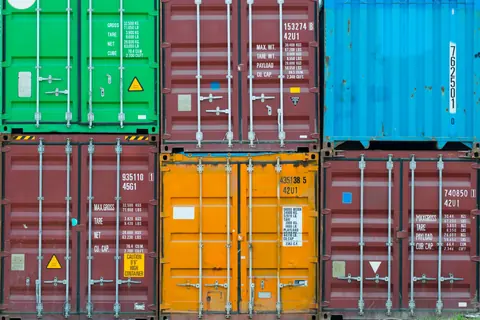
In an import inspection, customs checks whether the declared product name, specifications, and quantity match the actual goods, and whether import requirements such as country of origin marking and KC certification match the declared goods. Before declaring, match the invoice and packing list to the actual goods, and compare the country of origin marking and the model name on the certificates against the labels on the goods.
- 1What the importer must do before the import declaration
- 2What customs checks in an inspection
- 3Accuracy of the declaration: product name, quantity, specifications
- 4Country of origin marking
- 5Import requirements such as KC certification, and cooperative inspection
- 6What to prepare if your goods are selected for inspection
- 7Costs
- Legal basis
- Customs Act, Notice on Import Clearance Procedures, Notice on Procedures for Safety Inspection under Article 246-3 of the Customs Act, Notice on the Operation of the Country of Origin Marking System
- Last updated
Thorough inspection of imported food: criteria for first imports and re-imports

Food imported for the first time is subject to thorough inspection. If you import again within 5 years a product that is identical to the inspected product in the country of manufacture, overseas manufacturing facility and the other items set for each product category, it is subject to document inspection.
- 1Thorough inspection and document inspection of imported food
- 2The 4 types of inspection
- 3Products imported for the first time undergo thorough inspection
- 4Thorough inspection fees by material of utensils and containers
- 5Items that must be identical for a re-import
- 6When thorough inspection is required again
- 7Timing of the declaration and the start date of the processing period
- Legal basis
- Special Act on Imported Food Safety Control, Regulation on Declaration and Inspection of Imported Food, etc.
- Last updated
Import requirements and KC certification: what to check before customs clearance
Goods that require a permit, approval or marking under law must be shown to meet the requirements when the import declaration is filed. Goods subject to confirmation by the head of customs are designated by notice, and even goods not subject to that confirmation remain subject to the certification obligations of the relevant law.
- 1Import requirements and confirmation by the head of customs
- 2Goods subject to confirmation by the head of customs are designated by notice
- 3Confirmation procedure
- 4When confirmation by the head of customs is waived
- 5Certification obligations that remain after clearance
- Legal basis
- Customs Act, Notice on the Designation of Goods Subject to Confirmation by the Head of Customs and Confirmation Methods under Article 226 of the Customs Act, Enforcement Decree of the Foreign Trade Act, Electrical Appliances and Consumer Products Safety Control Act
- Last updated
Customs value for imports: costs added to and deducted from the invoice amount
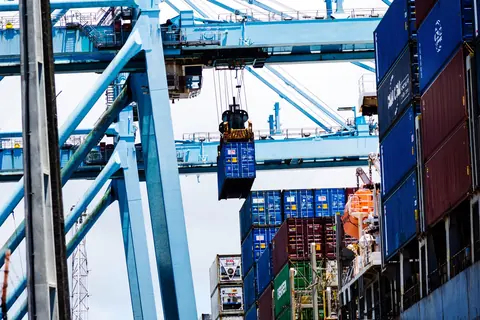
The customs value is the price the buyer paid or must pay, plus freight to the port of import, insurance, royalties and similar costs, minus clearly separable costs incurred after import. Keep the contracts and transport documents that confirm the amounts of costs paid outside the invoice, and customs duty and value-added tax are calculated on this customs value.
- 1Customs value and import taxes
- 2The starting point is the price the buyer paid or must pay
- 3Costs added (Customs Act, Article 30 (1))
- 4Costs deducted (Customs Act, Article 30 (2))
- 5Converting foreign currency amounts
- Legal basis
- Customs Act, Value-Added Tax Act
- Last updated
Applying the FTA preferential tariff rate: application timing and documents evidencing origin

The FTA preferential tariff applies only if the importer holds documents evidencing origin and applies before acceptance of the import declaration. Check the exporter's certificate of origin before shipment; if you could not apply before acceptance, apply for retroactive application within 1 year of the acceptance date, and keep the documents evidencing origin for 5 years from the day after the application date.
- 1Requirements for the FTA preferential tariff rate (preferential tariff)
- 2When the preferential tariff does not apply
- 3Application timing
- 4Documents to keep
- Legal basis
- Act on Special Cases of the Customs Act for the Implementation of Free Trade Agreements, Value-Added Tax Act
- Last updated