
Guides
All 28 guides
Self-issuing an FTA certificate of origin: preparing and keeping the bill of materials and manufacturing flow chart
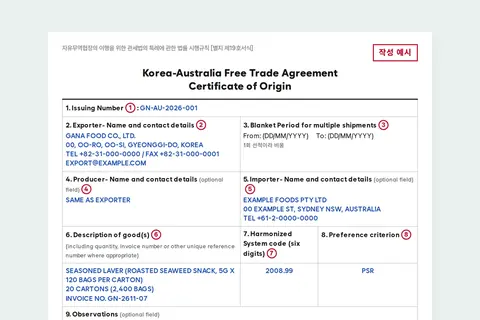
A self-issued certificate of origin is prepared and signed directly by the exporter or producer. Before preparing it, confirm that the criteria for determining origins are met using the bill of materials and the manufacturing flow chart; after preparing it, record it in the issuance register and keep the supporting documents for 5 years.
- 1Burden of proving origin under self-issuance and the order of preparation
- 2Confirming origin with the bill of materials and the manufacturing flow chart
- 3Completing the self-issued certificate of origin form
- 4Recording in the issuance register and keeping documents
- Legal basis
- Act on Special Cases of the Customs Act for the Implementation of Free Trade Agreements, Notice on Procedures under the Act on Special Cases of the Customs Act for the Implementation of Free Trade Agreements
- Last updated
Preparing an export invoice and exemption from issuing a tax invoice
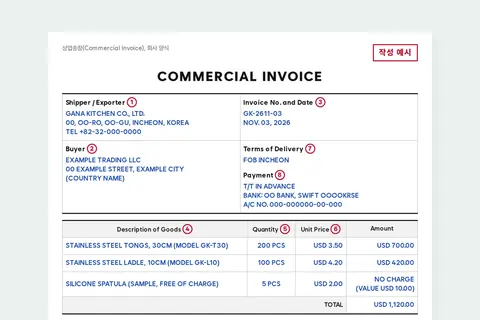
For goods sold to an overseas buyer, issue an invoice instead of a tax invoice. Exported goods are subject to the zero tax rate of value-added tax and exempt from the obligation to issue a tax invoice, and the invoice must state in full the product name, quantity, price and buyer information used for the export declaration.
- 1Export invoice and tax invoice
- 2What to state on the invoice
- 3Why a tax invoice is not issued
- Legal basis
- Customs Act, Notice on Registration and Management of Customs Clearance Codes and Overseas Supplier Codes, Value-Added Tax Act
- Last updated
Applying for the customs clearance code and trader's identification number before your first export

A business exporting for the first time applies for the customs clearance code in UNI-PASS and the trader's identification number from the Korea International Trade Association before filing the export declaration. The Licensed Customs Broker applies for the buyer's overseas supplier code together, using the buyer information written on the invoice.
- 1Registration sequence before your first export
- 2Customs clearance code
- 3Trade business ID number
- 4The buyer's overseas supplier code
- Legal basis
- Enforcement Decree of the Customs Act, Notice on Registration and Management of Customs Clearance Codes and Overseas Supplier Codes, Foreign Trade Management Regulation
- Last updated
Hand-carry and express shipment: how to declare small-quantity exports
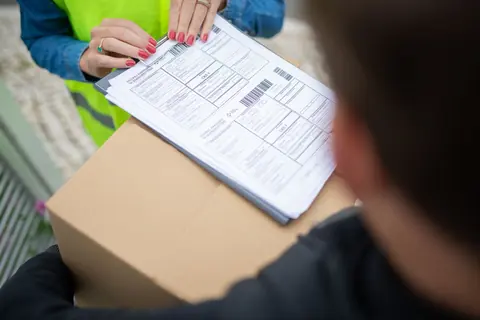
Even if you carry goods for sale out of the country yourself, you file an export declaration and have the loading confirmed at customs when you depart. If you send them by express shipment, goods that are not drawback-eligible and worth KRW 2,000,000 or less in FOB value can skip the export declaration, because the express carrier submits a clearance list instead.
- 1Choosing how to declare a small-quantity export
- 2When you carry the goods yourself
- 3When you send the goods by express shipment
- Legal basis
- Customs Act, Notice on Export and Return Clearance
- Last updated
EMS duty and VAT: the USD 150 exemption threshold and the simplified tariff rate
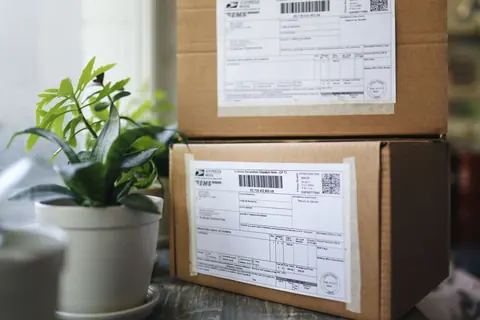
Personal-use goods received by EMS or express shipment are exempt from customs duty and value-added tax if the goods price, excluding freight, is USD 150 or less (USD 200 for express shipments from the United States). If the price exceeds USD 150, the simplified tariff rate (15% for general goods) or customs duty and value-added tax are imposed on the total amount including postage and insurance. Goods for sale are not eligible for the low-value goods exemption, however small the amount. On the simplified clearance application for personal-use goods, enter the goods price and the freight separately, and submit a receipt that separates the price of the goods from the freight.
- 1EMS duty: exemption and taxation of personal-use goods
- 2Exemption threshold: goods price of USD 150 excluding freight
- 3Goods for sale require an import declaration, however small the amount
- 4Customs value: goods price plus postage and insurance
- 5Simplified tariff rate for mail: a single rate combining customs duty and domestic taxes
- 6Goods to which the simplified tariff rate does not apply
- 7Customs duty, value-added tax and individual consumption tax when the simplified tariff rate is not applied
- 8Aggregated taxation of goods received in separate shipments
- 9Tax calculation examples
- Legal basis
- Customs Act, Value-Added Tax Act, Individual Consumption Tax Act, Notice on Import Clearance Procedures for International Mail, Notice on Import Clearance Procedures, Notice on Import Clearance Procedures for Express Shipments
- Last updated
Export inspection: differences between declaration-site and loading-site inspection, and how to prepare
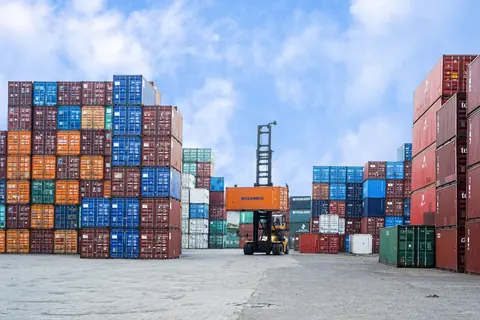
Inspection of export goods is waived in principle. When goods are selected for inspection, the rule is loading-site inspection in the bonded area of the port or airport where the goods are shipped. For loading-site inspection, you must bring the goods into the bonded area at the loading site before shipment and request the inspection. For declaration-site inspection, the inspection takes place where the declared goods are located.
- 1The export inspection rule and what the exporter must do
- 2Declaration-site inspection and loading-site inspection
- 3Selection of goods for inspection and notification
- 4If your goods are subject to loading-site inspection
- 5If your goods are subject to declaration-site inspection
- 6What customs checks in an export inspection
- 7Costs
- Legal basis
- Customs Act, Notice on Export and Return Clearance
- Last updated
Korea-EU FTA preferential tariff on traveler's baggage: origin declaration wording on receipts and amount threshold
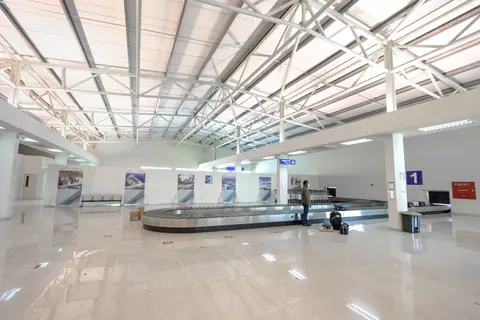
Goods of EU origin purchased in the EU can be declared on the baggage declaration with an application for the preferential tariff, so that customs duty is paid at the preferential rate. If the total of EU-origin goods exceeds USD 1,000, the purchase receipt must carry the origin declaration wording and the seller's signature; value-added tax and other domestic taxes are paid as usual.
- 1Applying the FTA preferential tariff to EU-origin baggage
- 2Goods eligible for the preferential tariff rate
- 3Amount threshold and required documents
- 4Origin declaration wording to obtain on the receipt
- 5How to apply on entry, and the tax
- 6When documents are missing at the arrival hall
- Legal basis
- Notice on Customs Clearance of Baggage of Travelers and Crew, Act on Special Cases of the Customs Act for the Implementation of Free Trade Agreements, Customs Act
- Last updated
First FTA certificate of origin: how to prepare the bill of materials, manufacturing flow chart and Declaration of Origin
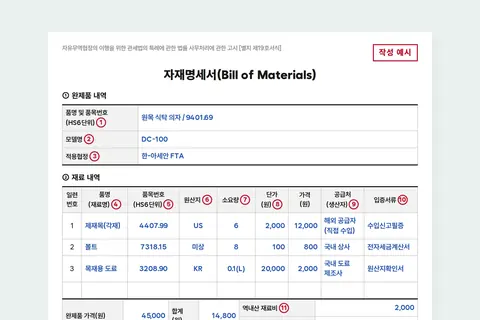
A company applying for an FTA certificate of origin for the first time prepares a bill of materials (BOM) and a manufacturing flow chart, and obtains a Declaration of Origin from its suppliers for materials purchased in Korea. For each material, enter the 6-digit HS number and the origin found in the purchase records, the certificate of import declaration or the Declaration of Origin, and enter "unknown" for any material whose origin cannot be confirmed.
- 1The 3 documents for a first certificate of origin
- 2How to prepare the bill of materials (BOM)
- 3How to prepare the manufacturing flow chart
- 4How to prepare the Declaration of Origin (suppliers)
- Legal basis
- Enforcement Decree of the Act on Special Cases of the Customs Act for the Implementation of Free Trade Agreements, Enforcement Rule of the Act on Special Cases of the Customs Act for the Implementation of Free Trade Agreements, Notice on Procedures under the Act on Special Cases of the Customs Act for the Implementation of Free Trade Agreements
- Last updated
Retroactive application of FTA preferential tariff rates: deadlines and certificate of origin requirements

If you could not apply for the FTA preferential tariff rate before acceptance of the import declaration, apply for retroactive application within 1 year of the acceptance date, or within 45 days if you filed an amended declaration because of a tariff classification change or received a payment notice. The head of customs notifies the result within 2 months of receiving the application for rectification and refunds the difference.
- 1Cases eligible for retroactive application
- 2Application deadline: 1 year from acceptance, 45 days for a tariff classification change
- 3Documents to submit and where to apply
- 4Validity period and retroactive issuance of the certificate of origin
- 5Notification of the result and refund
- 6When origin proof documents were insufficient at import
- 7Goods bought directly from overseas
- 8What to check before applying
- Legal basis
- Act on Special Cases of the Customs Act for the Implementation of Free Trade Agreements, Notice on Procedures under the Act on Special Cases of the Customs Act for the Implementation of Free Trade Agreements, Customs Act, Notice on Import Clearance Procedures, Notice on Import Clearance Procedures for Express Shipments
- Last updated
Origin marking of imported goods: goods subject to marking and marking methods
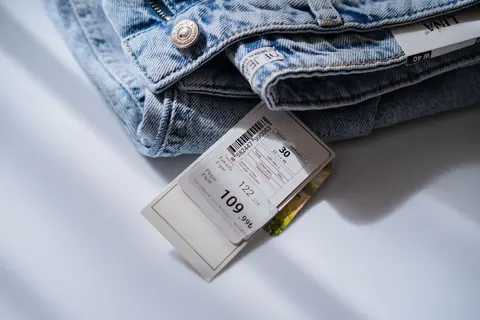
Goods listed at the HS 4-digit level in Annex 8 of the Foreign Trade Management Regulation must bear a country of origin marking when imported. The principle is marking at the manufacturing stage by printing, stitching or similar means; stickers and marking on the minimum package may be used only in the cases the regulation specifies.
- 1The origin marking obligation and what the importer must do
- 2Checking whether the goods are subject to marking
- 3Marking wording
- 4Marking location and method
- 5When the minimum package may be marked instead of the goods
- 6Goods likely to cause misunderstanding of origin
- 7Goods that need not be marked
- 8Pre-import confirmation and measures at clearance
- Legal basis
- Foreign Trade Act, Customs Act, Foreign Trade Management Regulation, Notice on the Operation of the Country of Origin Marking System
- Last updated